Learn the piano or keyboard: advantages and tips
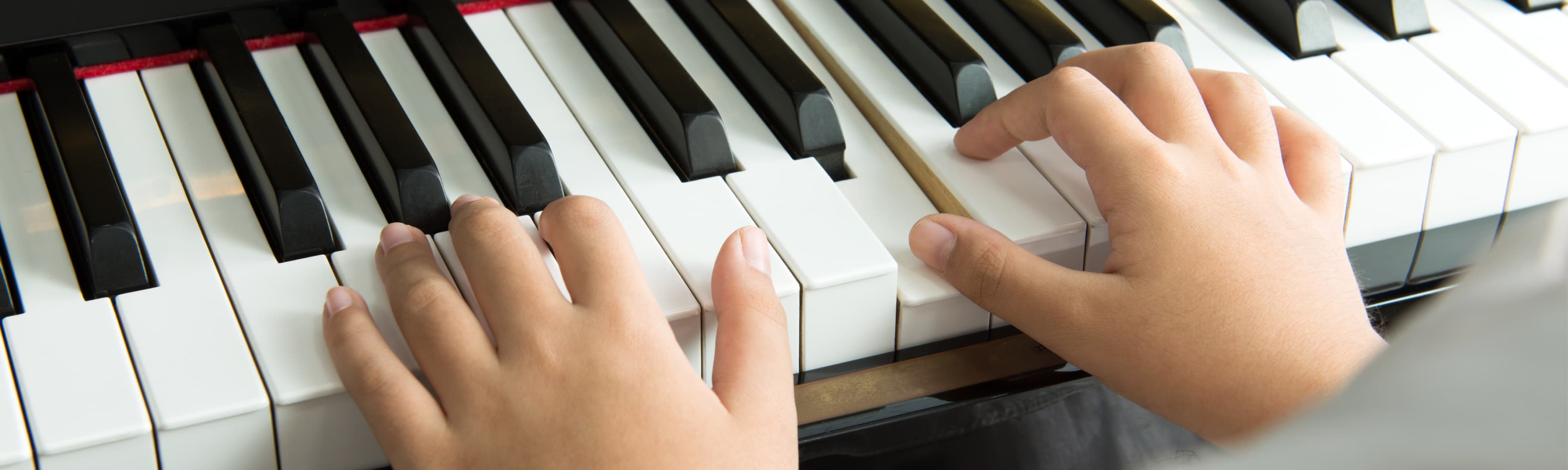
Learning to play an instrument can be an incredibly rewarding experience. When it comes to piano and keyboard in particular, many are faced with the question: Which instrument suits me best?
In this article, we'll take a look at the differences between piano and keyboard, show you how you can learn the piano with a keyboard, and give you tips on how to find the perfect instrument for you.
Differences between piano and keyboard
- Sound and mechanics
Probably the most noticeable difference lies in Sound and mechanics: An acoustic piano produces sounds by hitting strings with hammers — this ensures the unmistakable, rich sound and natural dynamics.
Keyboards, on the other hand, generate their sounds electronically, usually using digital samples. High-quality models come surprisingly close to the sound of a real piano, while cheaper models may sometimes sound a bit artificial.
- Touch sensitivity
Pianos react to every finger touch — gently or strongly — and thus allow tremendous expressive power. Modern keyboards often offer touch-sensitive keys that simulate this effect. However, the playing feel may be different from a real piano, particularly with lighter or unweighted keys.
- Portability and space requirements
Keyboards are lightweight and compact, perfect if you don't have much space or want to transport the instrument — be it to a band rehearsal or a gig. A piano, on the other hand, is big and heavy, ideal for home but barely mobile.
Benefits of learning the keyboard
1. Expenses
An acoustic piano is often an expensive purchase, maintenance and tuning presenting additional costs. Keyboards are usually cheaper, available in different price ranges and yet offer many features that make learning easier for beginners.
2. Versatility
Keyboards open a wide range of sounds and effects — from classic piano sounds to synthesizers. There are also metronome, recording functions and automatic accompaniment implemented, which make practicing and experimenting, even more exciting.
3. Exercise options
With headphones, you can practice anytime without disturbing others — ideal for city dwellers, apartment living or late-night practice enjoyers. Many keyboards can also be connected to apps or learning software, which makes practicing even more flexible and interactive.
With a keyboard, you can practice with headphones, which is particularly beneficial in noise-restricted environments. This allows you to practice at any time of the day without disturbing others. This option is particularly helpful for city dwellers or those who live in apartment buildings. In addition, many keyboards offer the option of being connected to computers or tablets in order to use educational software or apps such as MyGroove to interact.
Decision-making aid: piano or keyboard?
Objectives and preferences
Consider What you want to achieve with the instrument. Classical music or a career as a pianist? Then an acoustic piano is probably a better choice. Do you love flexibility, want to try out different music styles and use technical features? Then a keyboard is perfect for you.
Long-term considerations
Also think of space, maintenance and transportation. Pianos need regular maintenance and a lot of space, keyboards less. Your lifestyle and living situation can therefore be decisive.
Whether piano or keyboard — both instruments offer wonderful opportunities to experience music. The important thing is: Listen to your heart and fingers — the love of music always leads you to the right instrument.
FAQ
Which is easier to learn, keyboard or piano?
The keyboard is often considered easier to learn, especially for beginners. Many models offer learning aids and built-in features that make it easier to practice. The piano requires more technical knowledge, particularly with regard to the impact dynamics.
Is a keyboard suitable for learning the piano?
Yes, a keyboard is definitely suitable for learning the basics of playing the piano. It offers the opportunity to learn notes, chords, and music theory. Many of the skills developed when playing the keyboard transfer well to playing the piano.
Can someone who plays the keyboard also play the piano?
Absolutely! Keyboard players have already developed many of the skills needed to play the piano. An understanding of music theory, timing, and dexterity are an advantage when playing the piano.
It's time to take your piano playing to the next level!
Sign up and try it free for 7 days — your melody is waiting 🎹
Start now for freeAbout the author

Maria Meisl
Content Creator @MyGroove
Maria Meisl is marketing expert und a passionate music lover. She cares deeply for the new era of music education and created content that helps the MyGroove community find what they need and progress effectively. As multi-instrumentalist she constantly finds herself on new musical journeys between singing, bass, and piano – always with the goal to improve her own skills and help shape the future of instrument learning.