Different types of drums explained
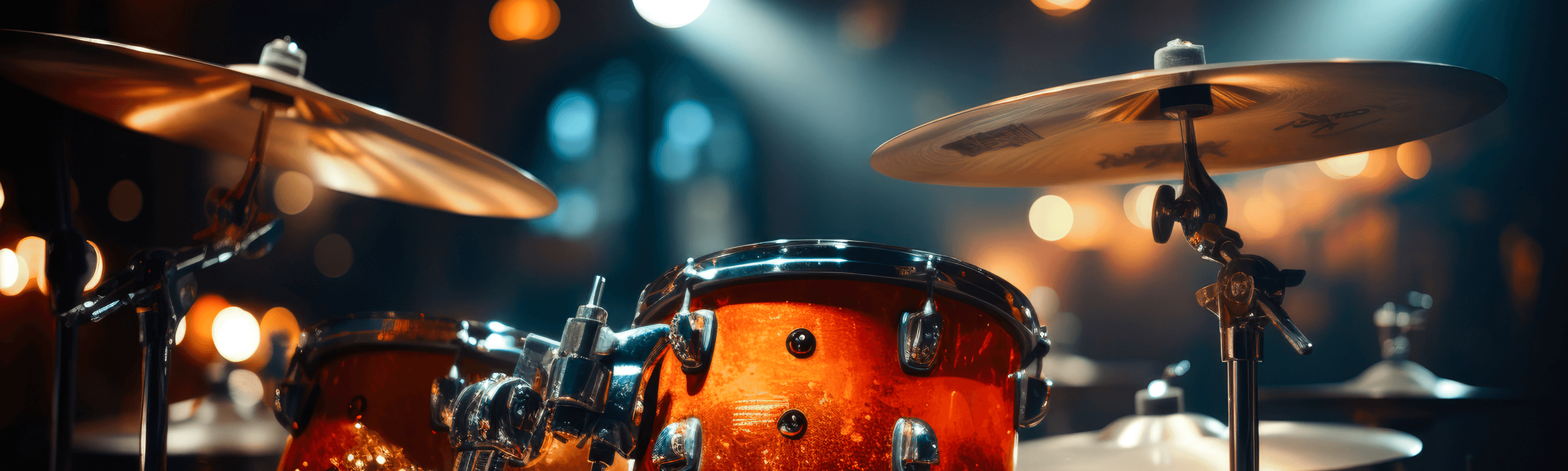
The drum kit — more than just an instrument, it's the heartbeat of every band. It sets the beat, drives the music and ensures that everything fits together. But drums are not the same: There are countless variants that differ in structure, sound and playing style — and that is exactly what makes the world of drums so exciting.
In this article, we take you on a short journey of discovery through the colorful variety of drums. We look at what types there are — from classical acoustic sets to electronic variants to specialized jazz or orchestral drums. And of course we'll also take a look at exceptional percussion instruments from all over the world.
Come on this rhythmic journey with us — and discover how versatile, powerful and enthralling drums really are. Let's go — Let's Groove!
Acoustic vs. electronic drums
Acoustic drums are the epitome of genuine, raw sound. Wood, metal, plastic — that's all it takes to create a sound that goes through marrow and bone. Each set has its own unique character, influenced by construction and materials. So it's no wonder that they're the first choice on stages all over the world: They sound lively, powerful and unmistakable.
Electronic drums, on the other hand, are versatile all-rounders. Instead of sound waves, there are electronic signals — and thus access to countless sounds. Perfect for quiet practice with headphones, creative studio experiments, or anyone who likes to jump between genres.
- Acoustic drums: Natural sound, powerful dynamics, ideal for concerts
- Electronic drums: Versatile sounds, quiet practice possible, saves space.

It therefore depends heavily on your personal needs and your preferred musical style whether you should opt for an acoustic or electronic drum kit. Both types have their own advantages and offer unique opportunities for drummers of all levels.
Standard configuration of a rock/pop drum set
A typical rock/pop drum set consists of several basic components. This includes the Bass drum, a snare drum, and tom toms. Die bass drum, also known as kick drum, stands on the ground and is played with a foot pedal. It provides the deep, powerful beat that gives structure to many songs. Die snare drum is mounted on a stand and delivers the characteristic sharp sound that often dominates the rhythm.
In addition to these main ingredients, there are often two tom-toms on the bass drum and a standing tom. These vary in size and pitch and allow for a variety of timbres. There are also pools, which typically consist of a hi-hat, a crash pool and a ride pool. The hi-hat offers rhythmic accents and is often used by rock and pop drummers to count beats.
A rock/pop drum set is designed for versatility and dynamics. It allows drummers to play a wide range of rhythms and styles. The configuration is flexible, so musicians can add or remove elements to underline their personal style.
In this YouTube playlist you find instructions and help on how to set up a classic rock/pop drum set - maybe this will also help you visually identify which parts a classic set consists of.
Specialized drum types
While rock and pop drum sets are particularly common, there are many specialized variants that are used in very different styles of music.
Jazz drums are known for their brighter, more melodic sound. They often have a smaller bass drum, and many drummers use brushes to produce softer tones. These sets are a perfect fit for the dynamic, improvised character of jazz.
Fusion and radio sets often go beyond the classic drum set. Additional percussion elements such as cowbells or timbales provide even more groove and possibilities. This creates complex, syncopated rhythms that give these styles their special drive.
Electronic drums have become really popular in recent years. They consist of pads that produce various electronic sounds or samples — and are great for quiet practice, recording sessions or creative sound experiments. Just plug it into speakers or headphones and you're good to go.
Here is a brief overview of even more of the specialized types of drums:
- Jazz drums: Smaller components, broom sticks for softer sounds, ideal for improvised rhythms
- Fusion and funk drums: Additional percussion elements (e.g. cowbells, timbales), greater stylistic flexibility, complex rhythms.
- Electronic drums: Versatile sound options, quiet practice, flexible with speakers or headphones.
- Orchestral drums: Timpani, bass drums, deeper, resonant sounds for dramatic passages.
- Marching drums: Bass drum, snare, tenor, mobile and suitable for parades or marching music.
- Latin drums: Timbales, congas, clear, sharp notes for salsa, merengue, reggaeton
These specialized drum types offer musicians the freedom to experiment in various genres. From jazz to funk to electronic music, they can find their unique sound.
World music and ethnic drums
World music is incredibly diverse and includes many exciting ethnic drums that deliver authentic sounds and rhythms from different cultures. A well-known example is the Djembes from West Africa, which are known for their powerful, resonant sound. Played with the hands, they are an important part of many traditional African music.
The Tabla from India is a also fascinating instrument. These two drums are played with a special finger technique and produce a huge variety of sounds. They are an integral part of classical North Indian music and require both technical skill and musical sensitivity.
Special drums also come from Asia, such as the Japanese taiko drums. These big drums are a real highlight at traditional festivals and performances. Its deep, powerful sound captivates the audience. Ethnic drums not only bring new soundscapes, but also open up the opportunity to discover different rhythm cultures.
Percussion instruments as part of the drum family
Percussion instruments are an important part of the drum family and bring lots of variety and diversity to music. Congas and bongos, for example, are often found in Latin American music. They deliver lively rhythms that spice up every track.
Another unusual instrument is the Cajon — a wooden box drum that is super transportable and versatile. Musicians sit on it and play with their hands, making them perfect for acoustic sets. The cajon originally comes from Peru, but has now become established worldwide.
The wreath of bells and maracas belong to the percussion family. These simple hand rattles set rhythmic accents and are a real hit, especially during live performances. Percussion instruments are a great way to set creative accents and change the dynamics of a song or performance.
Kids drums and adaptations
Children's drums are tailored precisely for young musicians. They are smaller and ergonomically designed to make playing easy and fun. The compact design sparks kids' interest and promotes learning in a fun way.
Most of the time, they are made from lighter materials, which makes them super easy to use. These instruments help little ones develop their motor skills and find a relaxed introduction to music. This allows them to concentrate fully on what's important: the rhythm!
Custom drums and hybrid drums
Custom drums offer a unique way to customize the drum set. From the selection of materials to special painting — everything can be tailor-made. These adjustments make it possible to perfectly reflect personal style.
Hybrid drums combine the advantages of acoustic and electronic elements. They offer flexibility and a wide range of sounds. Such sets enable drummers to incorporate versatile sounds into their performances. This combination makes hybrid drums particularly exciting for players who love to experiment.
Accessories and extensions
Accessories and extensions play a decisive role for drummers. They help optimize the playing experience and improve the sound. Necessary accessories such as Drumsticks are often the first step towards individualization.
A variety of extensions can expand the drum set:
- Drum microphones for precise sound recording
- Muting material to control sound dynamics
- Metronome for precise timing
These components make it possible to adapt sets to different playing styles. The right accessories can take drummers' performance to a new level. Especially in live performances, the stability and quality of accessories are decisive. Investments in high-quality components pay off through improved sound quality.
Care, maintenance and tips for drummers
Taking care of your drum kit is crucial for longevity and sound quality. Regular Voices help ensure optimal sound. Make sure to check the impact skins regularly for wear and replace them as needed.
To keep your instrument in good condition, careful cleaning and maintenance necessary. Use special cleansers for basins to preserve the original shine. Screws and hardware should be tested regularly for strength and stability.
You should also store your drum kit in a dry place to prevent moisture damage. Dehumidifiers can be beneficial in humid environments. Have spare parts such as sticks and drum heads ready to play at any time. Attention and care significantly extend the life of your drum kit.
Famous drum brands and manufacturers
The world of drums is dominated by some famous brands that stand for quality and innovation. Pearl, Tama, Yamaha or Roland are famous names, who are well-known to drummers all over the world. These manufacturers offer a wide range of instruments that are suitable for beginners and professionals alike.
DW Drums, Ludwig and Mapex are known for their high-quality drums and first-class workmanship. These brands invest in developing new technologies to constantly improve the playing experience. Drummers rely on these manufacturers because of their many years of experience and reputation for reliability and sound quality.
Conclusion: The future of drumming
The future of drumming is diverse and fascinating, as technological innovations will certainly continue to open up many new opportunities. With the integration of electronic components and digital sound design, drummers are constantly expanding their sound spectrum. This enables a seamless combination of traditional and modern playing.
In addition, the constantly growing online community offers drummers worldwide the opportunity to network and learn from each other. Workshops and courses are easily accessible and promote continuous growth. The combination of tradition, technology and community will pave the way for an exciting development in the drum world.
FAQ
How many types of drums are there?
There are a variety of drum types that can be divided into different categories. The most common types include acoustic drums, electronic drums, jazz drums, rock and pop drum sets, as well as specialized models such as fusion and funk drums. There are also ethnic and world musical drums as well as percussion instruments that belong to the drum family.
What is the most expensive drum set in the world?
The most expensive drum set in the world is often a custom-made drum set, which was individually designed according to the wishes of a renowned drummer. An example of this is a set of “Truth Custom Drums”, which was offered for over 500,000 dollars. Prices can vary significantly depending on the materials used and craftsmanship.
Does a drum set have notes?
Yes, drummers use sheet music to play their music. The drum notation however, is different from other instruments and consists of various symbols and shapes, which represent specific rhythms and percussion techniques. Drum notes are often written down in the form of sheet music to help the player learn the right rhythm and technique.
What else do you call drums?
The drum set is sometimes also referred to as a “drum set” or “drum kit.” The term “percussion” refers to the entire family of percussion instruments that the drum set belongs to. In certain contexts, you can also speak of “drums” or “percussion instruments” to describe the drum set.
It's time to take your drumming to the next level!
Sign up and try it free for 7 days — your groove is waiting 🎶
Start now for freeAbout the author

Maria Meisl
Content Creator @MyGroove
Maria Meisl is marketing expert und a passionate music lover. She cares deeply for the new era of music education and created content that helps the MyGroove community find what they need and progress effectively. As multi-instrumentalist she constantly finds herself on new musical journeys between singing, bass, and piano – always with the goal to improve her own skills and help shape the future of instrument learning.