Different types of drum sticks explained
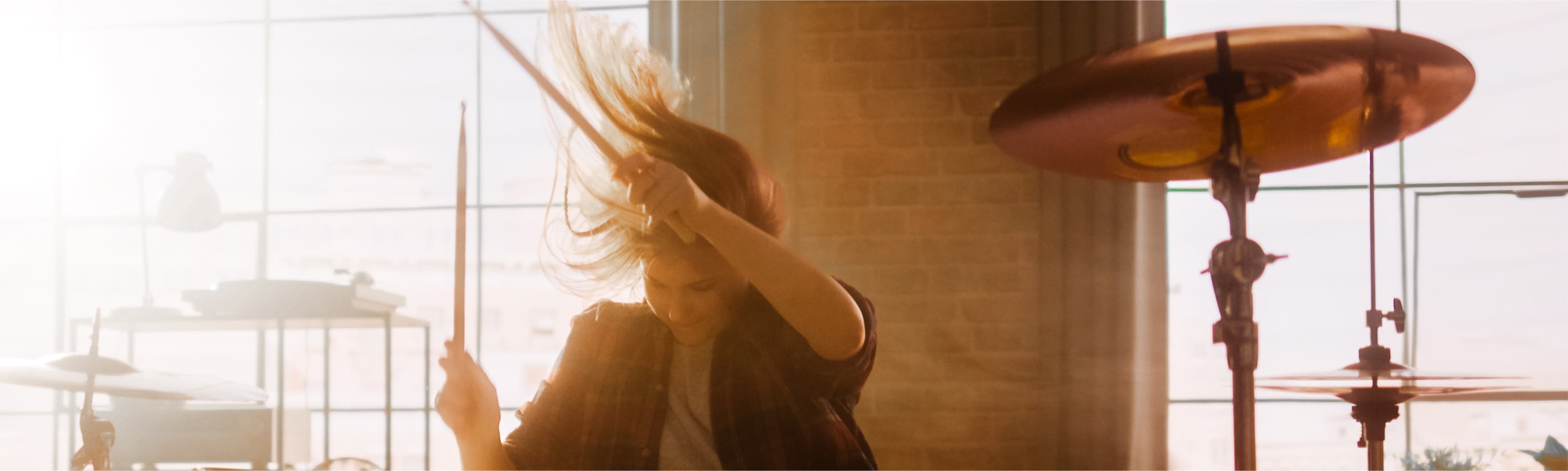
Drum sticks might all look the same at first glance — two simple wooden sticks, right? But that's far from the truth: They are just as diverse as the types of music that are played with them. Choosing the right stick makes a huge difference — in terms of sound, feel and even technique.
Depending on which stick you hold in your hand your beat can sound completely different — even if you're playing the exact same set. The wrong stick can not only dampen the sound, but also cause you to subconsciously get used to an inefficient playing style. And that makes it harder to develop yourself in the long run.
In short: Sticks are more than just accessories — they are real sound makers. And when you find the right one, it feels a bit like you've finally discovered your magic wand.
The importance of materials and design
Drum sticks are made from various materials, each with their own advantages and disadvantages. The three most common woods are hickory, maple and oak — each with its own unique characteristics.
Hickory is the all-rounder among drumstick materials. It offers a perfect balance of weight, durability and shock absorption — which is why it is so popular with drummers of all styles. Maple, on the other hand, is lighter, fits comfortably in the hand and is particularly suitable for fast, dynamic playing styles. Oak is the power pack among the three — a bit heavier, but extremely robust. Ideal if you really want to bring power to the set.
But that's not all: The design of the stick also plays a role. The so-called “tip” — i.e. the stick tip — can be made of wood or nylon. Wood tips produce a more warm, natural sound, while nylon tips sound brighter and more concise — perfect if you want to clearly assert yourself in the band structure, for example.
And then there is the length, diameter and shape of the stick — all small details that have a big influence on it how a stick feels and how you play with it. In the end, it's not just about what you're playing — but what you're playing with. Because the right stick not only makes the sound better, but also the feeling when playing.
The different types of drum sticks
Standard Sticks
Standard sticks such as the 5A or 5B are real all-rounders — the cozy jeans under the drumsticks, if you want. They offer a great balance of weight, length and playing comfort, making them the perfect choice for beginners and advanced drummers.
The main difference between the two? The 5B is a bit thicker and heavier than the 5A — which makes it particularly suitable for music styles where you need a bit more power. If you play hard or like playing in louder genres, the 5B could be your best friend. The 5A, on the other hand, is a bit slimmer and therefore ideal for versatile gaming — a real all-rounder.
Especially when you're still at the beginning of your drum journey, these models are great for developing a sense of playing technique, sound control and styles. They provide a stable, reliable basis — and who knows, you might even remain loyal to them, even if you're no longer a beginner.
Jazz Sticks
Jazz sticks are characterized by their slim and lightweight construction — often combined with a slightly longer shaft. These characteristics make them ideal for the fine, nuanced playing that is required in jazz.
With them, you can play with ease and precision — exactly what you need to bring complex rhythms to life and to set quick accents cleanly. Its lightness not only supports smooth movement, but also allows impressive control over volume and expression.
Especially in jazz, where soft and loud notes often alternate in quick succession, jazz sticks make the difference: They give you the feeling of very fine control over your playing dynamics, so you can easily play very quietly and very loudly in quick succession.
Rock Sticks
Rock sticks add a lot of weight to the stage. They are heavier, more stable and made for exactly what the name promises: powerful blows, explosive rhythms and a sound that stands out against any wall of guitars and amps.
These sticks provide you with the stability and energy transfer that you need when playing with power and presence. They fit snugly in your hand and make you feel like you're really making a difference — perfect for anyone who doesn't want to hold back on stage. Whether it's thundering fills or driving grooves: Rock sticks hold up even in the toughest playing style — without batting an eye.
Brushes and Rods
If it's not just about technique, but also about a variety of sounds, brushes and rods are a real treasure in a stick bag. They open up new worlds of sound — perfect for expanding the range of expressive possibilities on drums.
Brushes — usually made from fine strands of wire or nylon — create a soft, mopping sound, which unfolds beautifully, especially in jazz or acoustic sets. They are ideal for quiet, intimate moments when every sound feels like a word.
Rods, on the other hand, consist of several thin wooden bars, which are combined into a bundle. Your sound is somewhere between sticks and brushes — subtle, yet clear and rhythmically precise. Especially during quiet performances or rehearsals, they are a wonderful solution when the groove should be soft but noticeable.
With these two tools, drummers can not only learn new techniques, but also develop a keen sense of dynamics and sound design — and that is significant for any musical journey.
Special sticks
Special sticks are like the secret compartment in a creative drummer's toolbox — they add that certain something. whether timbale sticks or mallets: They open up special worlds of sound for you and are in demand exactly when you want to go beyond the classic groove.
Timbale sticks are slimmer, lighter and come without a distinctive head. As a result, they produce that clear, snappy sound that you know from Latin American music — lively, precise and full of energy. For everyone who wants to play to salsa rhythms or Latin grooves, they are an absolute must-have.
Mallets, on the other hand, are the gentle counterpart: With their soft head, often covered with felt, they bring warmth and volume into play. Perfect for big, open tones on the toms or shimmering sound carpets on the ride pool. They are ideal for emotional moments when you don't just want to hear the sound, you want to feel it.
These special sticks are like small splashes of color on your musical palette — they allow you to specifically set new timbres and create moods that will be remembered.
Stick Tricks
Stick tricks aren't just for show — they also improve control and feel for the game. Lighter drumsticks with balanced weight, such as maple or medium-thick hickory (e.g. 5A), are particularly suitable for beginners, as they are easier to rotate and balance. A non-slip grip — either with a special coating or tape — also helps when practicing. The classic way to get started is the Stick Flip (also Backstick called), in which the stick is rotated over the thumb.
The world of drum sticks is a real adventure — full of possibilities, nuances and sounds that give your playing character. When you understand how different sticks can sound and feel, you'll open up whole new ways to shape your style.
Whether you want to whip out powerful beats, play fine jazz details or set soft accents with brushes — the right stick makes the difference. It not only influences the sound and feel of your playing, but also how you express yourself, how you develop and how much your playing reflects yourself.
Because in the end, it's not just about hitting bars — it's about finding your own sound. And that's exactly why it's worth diving deeper into the world of drumsticks. Let's Groove!
FAQ about drum sticks
Which sticks for drums?
The choice of drum sticks depends a lot on your playing style and music styles that you play. For beginners, standard sticks such as 5A or 5B are ideal, as they provide a good balance between weight and control. For jazz musicians, lighter sticks, such as Jazz Sticks or 7A, are more suitable, while Rock musicians often heavier sticks, such as 2B or special rock sticks, prefer.
What is the difference between 7A and 5A drumsticks?
The main difference between 7A and 5A drumsticks is their diameter and weight. 7A sticks are thinner and lighter, which makes them ideal for precise playing and jazz music. 5A sticks, on the other hand, are a bit thicker and heavier, giving them more stability and volume, making them more versatile for different styles of music.
Which sticks are suitable for beginners on percussion?
Standard sticks such as 5A or 5B are particularly recommended for beginners. These sticks offer good balance and control, are easy to use and are versatile for various styles of music. They help beginners learn basic techniques without having to burden themselves excessively with the choice of sticks.
What stick sizes are there?
Drum sticks come in various sizes and diameters. The most common sizes are 7A (thin and light), 5A (medium and balanced), 5B (thicker and heavier) and 2B (very thick and robust). The choice of size depends on your personal playing style and the type of music that is being played.
What types of sticks are there?
There are various types of drum sticks, including Standard sticks, jazz sticks, rock sticks, brushes (wire or nylon mallets) and special sticks (such as timbale sticks and mallets). Each type offers different sounds and playing techniques that meet the needs of drummers and the requirements of different types of music.
Which sticks can I practice tricks with?
Particularly suitable for beginners are lighter drumsticks with balanced weight, such as maple or medium-thick hickory (e.g. 5A)because they are easier to rotate and balance.
It's time to take your drumming to the next level!
Sign up and try it free for 7 days — your groove is waiting 🎶
Start now for freeAbout the author

Maria Meisl
Content Creator @MyGroove
Maria Meisl is marketing expert und a passionate music lover. She cares deeply for the new era of music education and created content that helps the MyGroove community find what they need and progress effectively. As multi-instrumentalist she constantly finds herself on new musical journeys between singing, bass, and piano – always with the goal to improve her own skills and help shape the future of instrument learning.